Friday, May 4, 2012

Samsung Galaxy S3 Official TV Commercial Video !


The final of the speculation, expectation and waiting, Samsung’s flagship Android phone – Galaxy S III has finally been revealed today in London. Check out our the very first official TV commercial video of the Galaxy S III below.
Again do check out the complete specification of the SG3 below.
Samsung Galaxy S III (GT-I9300)

Samsung Galaxy S III Specs

  • 136.6 x 70.6 x 8.6mm
  • 133 grams
  • Display: 4.8-inch HD Super AMOLED (1280×720) Pentile (no Plus)
  • Processor: Exynos 4 Quad @ 1.4Ghz for HSPA version
  • 1GB of RAM
  • Rear Camera: 8MP Autofocus, Flash, Zero Lag Shutter BSI Image sensor
  • Front Camera: 1.9 MP HD, Flash, Zero Lag Shutter
  • Video: Full HD 1080p Recording and Playback
  • Storage: 16GB/32GB/64GB
  • 2,100mAh battery
  • GPS with GLONASS
  • 802.11n Wi-Fi, NFC, Bluetooth 4
  • microSD expansion
  • 21Mbps HSPA, LTE supported
  • Micro SIM
Can't wait to have one. How about you ?

Via 10Div

Wednesday, April 25, 2012

Diet with fruits juice 7 days Detoxification

CVI Detoxification Program

Slimming, Heart Problem, Cancer, High Blood Pressure, Cholesterol, Diabetes, Arthritis, Uric Acid, Lupus Sle/Dle, Elephantic. Good for Immune System, Stay Young, Improve Vitality, Improve Skin Smoothness & etc Vegetable  : Celery (4), Purple Cabbage (1/4), Broccoli (1/4), Salad {Lettuce (1/4), Tomato (2), Cucumber (2), Carrot (3)}, Small Bitter Guard Fruit   : Green Apple (3), Pineapple (1/4), Pear (1), Lemon, Active 8 (1 tbsp) *Indigestion Problem add Papaya/ Liver Problem add Small Bitter 


Guard 7 Days Program
  1st Day: Detoxification 
   2 Bottles x 1.5 Liters Drink Fruit & Vegetable Juice
  2nd Day: Fat Burning
  2 Bottles x 1.5 Liters Drink Fruit & Vegetable Juice
  3rd Day: New Cell Replacement 
 2 Bottles x 1.5 Liters Drink Fruit & Vegetable Juice
  4th Day: Fruit & Vegetable Juice
1 Bottle x 1.5 Liters Add Low Fat Milk & Vegetable Soup (Celery, Carrot, Spinach, Onion & Tomatoes)
  5th Day: Fruit & Vegetable Juice   1 Bottle x 1.5 Liters Add Low Fat Milk & Vegetable Soup (Add in chopped meat) Add Steam Vegetable, 1 Teaspoon of Olive Oil, Fruits
  6th Day: Fruit & Vegetable Juice   
1 Bottle x 1.5 Liters Add Low Fat Milk & Vegetable Soup (Add in chopped meat) Add Steam Vegetable, 1 Teaspoon of Olive Oil, Fruits Add Steam Meat
  7th Day: Fruit & Vegetable Juice  
1 Bottle x 1.5 Liters Back to Normal Diet  


No
Ingredient
Quantity/ 3L
Day 1
Day 2
Day 3
Day 4
Day 5
Day 6
Day 7
Total
1
1
1
0.5
0.5
0.5
0.5
Vegetables
3 Liters
3 Liters
3 Liters
1.5 Liters
1.5 Liters
1.5 Liters
1.5 Liters

1
Celery
4
4
4
4
2
2
2
2
20
2
Purple cabbage
0.25
0.25
0.25
0.25
0.125
0.125
0.125
0.125
1.25
3
Broccoli
0.5
0.5
0.5
0.5
0.25
0.25
0.25
0.25
2.5
4
Lettuce
0.25
0.25
0.25
0.25
0.125
0.125
0.125
0.125
1.25
5
Tomato
2
2
2
2
1
1
1
1
10
6
Jap Cucumber
2
2
2
2
1
1
1
1
10
7
Carrot
3
3
3
3
1.5
1.5
1.5
1.5
15
8
Small Bitter Guard
3
3
3
3
1.5
1.5
1.5
1.5
15

Fruits


9
Green Apples
3
3
3
3
1.5
1.5
1.5
1.5
15
10
Yellow Pear
1
1
1
1
0.5
0.5
0.5
0.5
5
11
Pineapple
0.25
0.25
0.25
0.25
0.125
0.125
0.125
0.125
1.25
12
Lemon
1
1
1
1
0.5
0.5
0.5
0.5
5
13
Papaya
0.25
0.25
0.25
0.25
0.125
0.125
0.125
0.125
1.25


  Detoxification Must Take Together With


Items
Nutrition
Morning
Afternoon
Night
Member
Non-member
1
Protein 1 scoop 1 scoop
80.00
100.00
2
B Complex 2 tablet 2 tablet 2 tablet
60.00
75.00
3
Bio C 2 tablet 2 tablet 2 tablet
76.00
95.00
4
Calcium Magnesium 2 tablet 2 tablet 2 tablet
38.00
47.50
5
Garlic 2 tablet 2 tablet
68.00
85.00
6
Daily 1 tablet
98.00
122.50
7
Coenzyme Q10 1 tablet 1 tablet
163.00
204.00
8
Milk Thistle 1 tablet 1 tablet
85.00
106.00
Total (RM)
668.00
835.00
Note:


Person with low blood pressure needs -- Iron F


1 tablet 1 tablet
33.00
41.50
  Reminder: Detoxification Not Encourage for People Fall Under Categories Below: Very serious kidney problem, serious sickness, pregnancy, children under 12 years old, negative


Sunday, April 22, 2012

Understand More On Instant Noodle


Stay away from instant noodles to keep healthy

instant-noodleThe Consumers Association of Penang (CAP) calls on consumers to avoid eating instant noodles as it is harmful to health. Studies have shown that high sodium consumption is linked to a variety of diseases such as hypertension, heart disease, stroke and kidney damage.

In 2004 Malaysians consumed 870 million packets of instant noodles but by 2008 it had increased to more than 1,210 million packets. This is an increase of nearly 40 percent during the period of 4 years.
Instant noodle is a highly processed food that lacks nutritive value. It is a junk food. Every single serving of instant noodle is high in carbohydrates, sodium and other food additives, but low on essential elements such as fibre, vitamins and minerals.

According to the Codex Standards (FAO standards) for instant noodles, acid regulators, flavour enhancers, thickeners, humectants, colours, stabilizers, anti-oxidants, emulsifiers, flour treatment agents, preservatives and anti-caking agents are allowed to use in the making of instant noodles.

24 of the 136 listed additives in the Codex Standards are sodium salts. And the use of sodium additives is the main reason why instant noodles are high in sodium. High-sodium foods can cause hypertension, heart disease, stroke, kidney damage and other health problems.

sodium-in-instant-noodlesTests conducted by CAP on 10 samples of instant noodles found three samples to contain sodium above 1,000 mg. The average amount of sodium found in the samples was 830 mg. According to the current US Recommended Dietary Allowance (RDA) of sodium for adults and children over 4 years old is 2,400 mg/day. Consumption of instant noodles can easily cause excessive sodium intake as sodium is commonly used in our other daily foods especially from processed and hawker foods.

Another health concern is the reported leaching of dioxin and other hormone-like substances from the plastic container of the cup noodle. As hot water is added harmful substances could seep into the soup.

One of the major concerns with instant noodle is that it can produce oxidised fat and oil if it is not managed properly during the manufacturing process. This is of concern if the cooking oil is not maintained at the proper temperature or the oil is not changed as often as necessary.

Instant noodles are coated with wax to prevent the noodles from sticking together. This can be seen when hot water is added to the noodles. After some time the wax can be seen floating in the water.

The Codex Standards also allow the use of 10,000 mg/kg of the chemical propylene glycol, an anti-freeze ingredient as humectants (help to retain moisture to prevent noodles from drying) in instant noodles. Propylene glycol is readily absorbed and it accumulates in the heart, liver and kidneys causing abnormalities and damage. The chemical is also capable of weakening the immune system.

Instant noodles and the flavouring soup base also contain high amounts of monosodium glutamate (MSG). It is a flavour  enhancer used by instant noodle makers to make their shrimp flavours ”shrimpier” and beef flavours “beefier”. MSG can trigger an allergic reaction in 1 to 2 % of the population. Individuals who are allergic to MSG can get burning sensations, chest and facial flushing or pain and headaches from it.

High sodium consumption is linked to stroke or kidney damage. In Malaysia, there are an estimated 13,000 kidney patients undergoing dialysis. Every year 2,500 people join the ranks of end-stage renal failure patients. Six new cases of stroke occur every hour in Malaysia.

Some of the chemicals found in instant noodles are also capable of causing cancer. For example, dioxin and plasticisers leached from the containers in the presence of hot water.  According to the World Health Organisation (WHO) ,at least 30 percent of all cancers could be prevented through simple measures such as adopting a healthy diet.  Instant noodles are definitely an unhealthy diet which consumers should avoid.

In view of its unhealthy nature, the Consumers Association of Penang calls on the Ministry of Health to launch a campaign to highlight the dangers of instant noodles, which is a popular food among Malaysians.

For the sake of their health consumers should opt for more wholesome food.


Samsung Galaxy S3 Specs from South Korea’s Electronic Times ?

Samsung Galaxy S3 Specs A rumour that has cropped up comes courtesy of South Korea’s Electronic Times which suggests that a source close to the production of the phone has confirmed it will feature a thickness of just 7mm. 

Whilst nothing is yet confirmed a number of recent leaked reports and rumoured hands-ons have suggested the Samsung Galaxy S3 will land with a bevy of high-end specs including a 4.65-inch rendition of the company’s now trademark HD Super AMOLED display with a stunning 1280 x 720p resolution.

Other expected Samsung Galaxy S3 specs that have been doing the rounds ahead of the handsets unveiling include 2GB of RAM, 32GB of internal storage and a hefty 12-megapixel rear-mounted camera with the now customary 1080p Full HD video recording capabilities. A 2GHz dual-core processor has also been tipped for inclusion.

Much like the current Motorola RAZR, the Samsung Galaxy S3 is one of a number of handsets rumoured to be adding a nano tech coating in the form of the recently unveiled Liquipel that will see the device able to withstand the odd toilet drop or drink spill.

Contradicting some of these claimed specs, new reports from gadget blog Boy Genius Report have suggested Samsung’s next-generation handset will feature a larger screen than previously expected and one which sounds like a beast.

Latest reports have suggested the handset will boast a 4.8-inch display with a stunning Full HD 1080p resolution and a film friendly 16:9 aspect ratio.

On top of this, the iPhone 4S rival is tipped to land with a 1.5GHz quad-core Samsung Exynos processor and Google’s latest mobile operating system, Android 4.0 Ice Cream Sandwich.


Latest leaked on Samsung Galaxy S3 specification


Latest leaked from  Amazon Germany on the  Samsung Galaxy S3 specification on their website calming that the new Galaxy Series GT-I9300 will come with a 4.7 inch screen and 12 megapixel camera. And eventually it will be priced at EUR 599.00 (~$791.00 USD).

Samsung Galaxy S3 Specifications According to Amazon Germany

  • 11.9 (4.7 inches) Super AMOLED touchscreen with 16 million colors
  • 12-megapixel camera with autofocus, LED flash and face detection
  • Android 4.0 Ice Cream Sandwich operating system
  • 16 GB of internal memory, expandable up to 32GB
  • Delivery: Phone, battery, charger, data cable, headset, manual (Note: exact scope of delivery are not known)
What will be the next LEAKED ?

Thursday, April 19, 2012

High Carbohydrate Food to avoid "low Carbohydrate diet"

Question: Which Foods are High In Carbohydrates?
Answer: The foods highest in carbs are high in starch or sugar. This includes anything made with flour or sugar, grains, foods with added sugar, and starchy vegetables such as potatoes and corn. Most processed foods are high in carbohydrates. Examples of low carb foods are proteins such as meat and eggs, most vegetables, low sugar fruits (such as strawberries), soy beans, and some dairy products.


Carbohydrates are found in almost all living things and play a critical role in the proper functioning of the immune system, fertilization, pathogenesis, blood clotting, and human development. A deficiency of carbohydrates can lead impaired functioning of all these systems, however, in the Western world, deficiency is rare. Excessive consumption of carbohydrates, especially refined carbohydrates like sugar or corn syrup, can lead to obesity, type II diabetes, and cancer. Below is a list of foods highest in carbohydrates, almost all these foods should be avoided.


Fructose and Granulated Sugar
Fructose and granulated sugar represent a pure refined carbohydrate and are indeed 99.999% carbohydrate with practically no fats, proteins, minerals or vitamins to speak of. As such these refined sugars should be avoided as empty calories


Drink Powders, Hard Candies, and Gummies 

The large majority of hard candies are simple derivatives of the refined granulated sugars and should be avoided. Gummie candy is also mostly starch and should be avoided as well. These foods tend to be 98-99% carbs with little nutritional value otherwise. 


                                                Sugary Cereals 
Most ready to eat cereals which come in a box are packed with sugar, this is even true for those that claim to be "whole grain". Read the label on the back of the box, some of these foods are 90-93% carbohydrate. In contrast, hot cereals which you prepare at home like oatmeal and ryecan contain 10-12% carbohydrate, with far more vitamins and complex carbohydrates that are better for your body


Dried Fruits (Apples, Prunes, Dates)                                                                                                                                                                   
Dried fruits like apples, prunes(plums), bananas, and dates are all high in carbohydrates. These foods are high in dietary fiber and several vitamins and therefore can be used in moderation to help satisfy a sugar craving. For the long term, however, it would be best to limit these foods. Dehydrated apple, prunes, and bananas are 88-90% carbs, dried peaches and apricots are 83%, raisins are 79%, and dates are around 75% carbohydrate                                                                                                                                                  


Low fat Crackers, Rice Cakes, and Potato Chips
The large majority of low fat products and snacks on the market have high carb levels to keep items tasty. Low fat crackers, rice cakes, and potato chips are 81-83% carbohydrate. For purposes of comparison honey is 82% carbs. Be sure to consult labels on any low fat products before consuming.
                 

                                                       Flour, Cakes, and Cookies
Flour and it is derivative products, usually cakes, cookies, and breads are all high carb foods (depending on the recipe, again, low fat tends to denote higher carb). Cookies and cakes can get up to 84% carbohydrate, and most flours will be 70-78% carbohydrate.


 Jams And Preserves
These sweet spreads can be 64-68% carbs, often depending on how "gelled" or dry they are. The less water and the more dry, the more carbs.


Potatoes (Hash Browns and French Fries)
Of all potato products hash browns have the highest percentage of carbs with 35%, french fries contain about 27% carbs, and a baked potato (with the skin) is 21% carbs, or about 36 grams of carbs in a medium sized potato.


Sweet Pickles, Sauces, and Salad Dressings
Sweet relish can be as much as 35% carbs, and low fat dressings are often sweetened to 32% carbs or more.


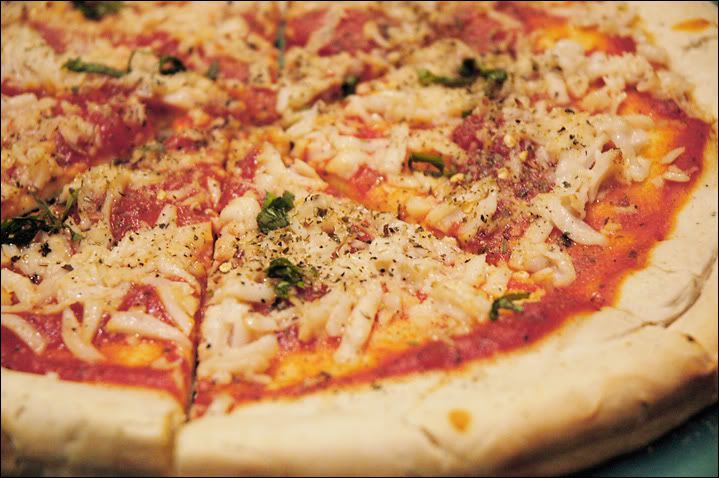
             Pizzas
The amount of carbohydrate in pizza depends on the thickness of the crust, and people often create ultra-thin-crust pizzas in order to cut back on the carbs. Depending on the toppings and thickness of the crust, pizzas tend to be 22-30% carbs.